Prefer to watch?
This topic is also a short video on our social channels (day 7 of our series), read it here or watch it on @sunvoltenergyuab.
A properly installed photovoltaic system follows recognised standards at every stage: certified components, qualified installers, electrical safety norms, and a documented commissioning process. These standards exist to keep your roof watertight, your wiring safe, and your system producing for 25 years or more. They are not paperwork for its own sake. They are what protect the home and the people in it.
Thinking about solar for your home?
SunVolt Club gives you a 250 EUR credit, a 48h energy assessment and member pricing, for 99 EUR a year.
Which standards actually matter?
Solar equipment and installation work are governed by European and international norms. Panels are tested to IEC standards for performance and durability. Inverters must meet electrical safety and grid-connection rules. The AC and DC wiring follows national electrical codes and the relevant parts of the IEC 60364 low-voltage installation standard. A serious contractor can name the standards their work meets.
- IEC 61215 and IEC 61730 for panel performance and safety
- Inverter compliance with grid-connection and safety norms
- IEC 60364 and national wiring rules for the electrical installation
- CE marking on components sold in the EU
- Manufacturer warranties backed by documented, correct installation
Why do certified installers matter?
Panels are only as good as the hands that fit them. A certified installer knows how to fix mounting rails without cracking tiles, how to seal roof penetrations, how to size and protect DC cabling, and how to isolate the system safely for maintenance. As an EPC contractor, SunVolt Energy works through a network of vetted, certified subcontractors and stays the main contractor with full responsibility for the result.
How is quality checked at the end?
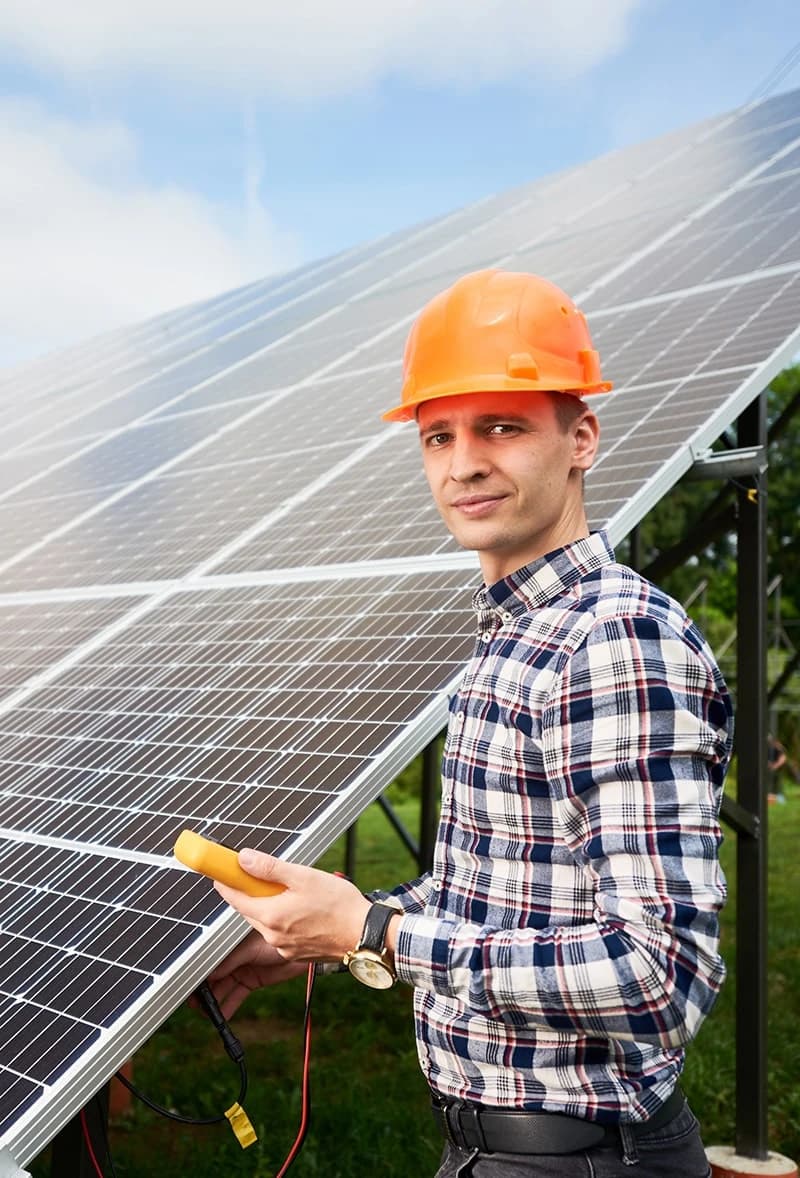
Commissioning is where standards turn into evidence. The installer measures string voltages and currents, tests earthing and isolation, confirms the inverter settings match the grid rules, and records it all in a commissioning report. You should receive documentation: the system design, component datasheets, warranties, and the test results. Keep these. They matter for warranty claims and for any future work on the system.
Standards and certifications are the difference between a system that simply looks finished and one that is genuinely safe and built to last. When you choose an installer, ask which standards they follow, who is certified, and what documentation you will receive. A confident, correct answer is one of the clearest signs of quality.
Thinking about solar for your home or business?
Get a structured, execution-focused plan from a European EPC contractor.
Contact our team